When you hear “autism assessment” you might picture a bustling clinic, a stack of tests, and a doctor’s office that feels like a maze. Add the word “adult” and suddenly the picture changes: the maze is longer, the exits are fewer, and the stakes—like finding the right vocational training—feel higher. Many adults with autism face a double hurdle: first, securing an assessment, and second, translating that assessment into meaningful training opportunities. In this article, we’ll unpack why the assessment process can be a stumbling block, explore how it ties to vocational training, and offer practical ways to turn frustration into forward momentum.
Understanding the Assessment Landscape
What Is an Adult Autism Assessment?
An adult autism assessment is a comprehensive evaluation that looks at a person’s developmental history, social communication skills, and patterns of behavior. Unlike childhood assessments, adults often need to rely on self‑report, collateral information from family or friends, and sometimes a review of medical records. The goal? To confirm a diagnosis, identify strengths and challenges, and create a roadmap for support.
Common Barriers in the Assessment Process
- Limited Availability of Specialists – Many regions have a shortage of clinicians who specialize in adult autism. Long Waiting Lists – Even when a specialist is available, appointments can be months away. High Costs – Private assessments can cost thousands of dollars, and insurance coverage is inconsistent. Diagnostic Criteria Confusion – Adults may have learned to mask symptoms, making it harder for clinicians to spot autism.
These obstacles can feel like trying to find a needle in a haystack, especially when you’re juggling work, family, or other responsibilities.
The Vocational Training Gap
Why Vocational Training Matters for Adults with Autism
Vocational training isn’t just about learning a trade; it’s about building confidence, fostering independence, and opening doors to sustainable employment. For adults on the autism spectrum, tailored training programs can leverage strengths—such as attention to detail or pattern recognition—while providing structured support in areas like social interaction and time management.
Typical Obstacles in Securing Training Opportunities
- Lack of Inclusive Programs – Many training centers assume a one‑size‑fits‑all approach. Unclear Eligibility Criteria – Some programs require a formal diagnosis, but the assessment process itself is a barrier. Financial Constraints – Training costs can be prohibitive, especially without funding or scholarships. Limited Awareness – Employers and training providers often lack knowledge about how to accommodate autistic learners.
When the assessment process is already a hurdle, it’s no wonder that accessing vocational training feels like climbing a mountain with no oxygen.
Strategies to Overcome Assessment Hurdles
Preparing for the Assessment: Self‑Advocacy and Documentation
A well‑prepared applicant can shave weeks off the waiting time. Here’s how:
- Compile a Personal History Sheet – Include early developmental milestones, school records, and any previous assessments. Gather Collateral Input – Ask family members or close friends to provide written statements about your communication style and daily routines. List Your Strengths and Challenges – Being honest about what works for you (e.g., visual learning) and what doesn’t (e.g., sensory overload) helps clinicians tailor the assessment.
Think of it as packing a suitcase: you only want to bring what’s essential, but you also need a spare pair of shoes for unexpected weather.
Leveraging Support Networks and Professional Help
- Seek a Specialist Referrer – A psychologist or psychiatrist who has experience with adult autism can guide you to the right assessment center. Join Advocacy Groups – Organizations such as Autistica or the National Autistic Society offer resources and sometimes direct referrals. Consider a Case Manager – A professional who can coordinate appointments, paperwork, and follow‑ups can reduce the administrative burden.
Remember, asking for help isn’t a sign of weakness; it’s a strategic move—like hiring a GPS for a complex road trip.

Bridging the Gap to Vocational Training
Tailored Training Programs and Inclusive Employers
When you finally have a diagnosis, the next step is to find training that fits. Look for:
- Programs with Structured Schedules – Predictable routines help reduce anxiety. Hands‑On Learning – Practical, task‑oriented training can be more engaging than lectures. Support Staff Trained in Autism – Instructors who understand sensory sensitivities and communication styles can make a world of difference.
Employers who adopt inclusive hiring practices—such as flexible work hours or sensory‑friendly environments—often partner with vocational training providers to create a seamless pipeline.
Funding, Grants, and Support Services
- Local Government Grants – Many municipalities offer subsidies for vocational training for adults with disabilities. National Disability Insurance Scheme (NDIS) – In Australia, NDIS can fund training, support workers, and related services. Private Foundations – Foundations like the Autism Research Centre may offer scholarships for specific trades.
A quick phone call to your local social services office can uncover hidden resources—think of it as discovering a secret menu at a favorite restaurant.
A Roadmap for Success
Step‑by‑Step Action Plan
Book an Assessment – Start with a referral or self‑booking if available. Prepare Documentation – Gather personal history, collateral statements, and a strengths‑and‑needs list. Complete the Assessment – Attend the evaluation, staying honest and open. Receive the Report – Review it with a trusted professional. Identify Training Options – Use the diagnosis to search for inclusive programs. Apply for Funding – Submit grant applications or NDIS plans. Enroll and Engage – Attend training, seek feedback, and adjust as needed. li28li28/li29li29/li30li30/##These resources are like lifelines, keeping you afloat when the currents of bureaucracy threaten to pull you under.
The Future of Inclusive Vocational Training
Picture a world where vocational training centers are designed like well‑planned gardens: pathways are clearly marked, the soil is enriched with support, and every plant—no matter how unique—thrives. In such a future, adult autism assessments will not be a bottleneck but a gateway. Employers will see the value in diverse skill sets, and training programs will evolve to accommodate a spectrum of learning styles.
“Success is not the key to happiness. Happiness is the key to success.” – Albert Schweitzer
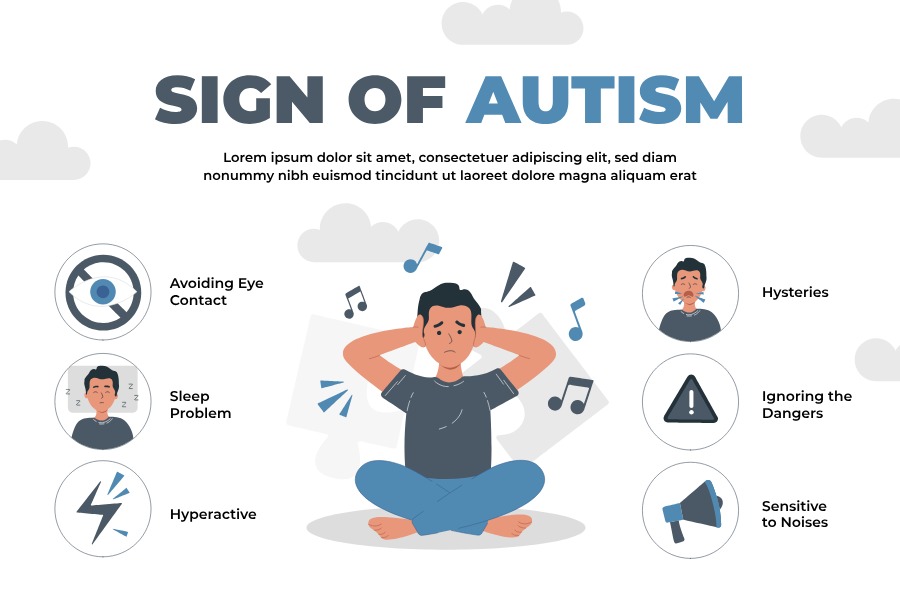
By breaking down the assessment difficulty and Early developmental signs linking it directly to vocational training, we can transform a daunting maze into a clear, navigable path. Take the first step today: reach out to a local specialist, gather your documentation, and start the journey toward a fulfilling career. The road may Female autism phenotype be winding, but with the right map—and a little humor—you’ll find your way.