The question on many parents’ minds is: What are the early school transportation accommodations for girls with autism?
It’s a vital topic because the first ride to school can set the tone for a child’s entire day. In Poor response to name this guide we’ll unpack the core strategies, share real‑world stories, and sprinkle a touch of humor to keep things light. Let’s hop on board—no safety harnesses required, just curiosity.
Understanding the Need
Why Early Intervention Matters
Early transportation accommodations aren’t just a nice-to-have; they’re a foundation for academic and social success. Think of the first bus ride as the launchpad of a rocket—if the launch is shaky, the whole trajectory can wobble. Girls with autism often face unique sensory and social challenges that can make a routine bus ride feel like a minefield. By addressing these needs early, we give them a smoother ride into the classroom.
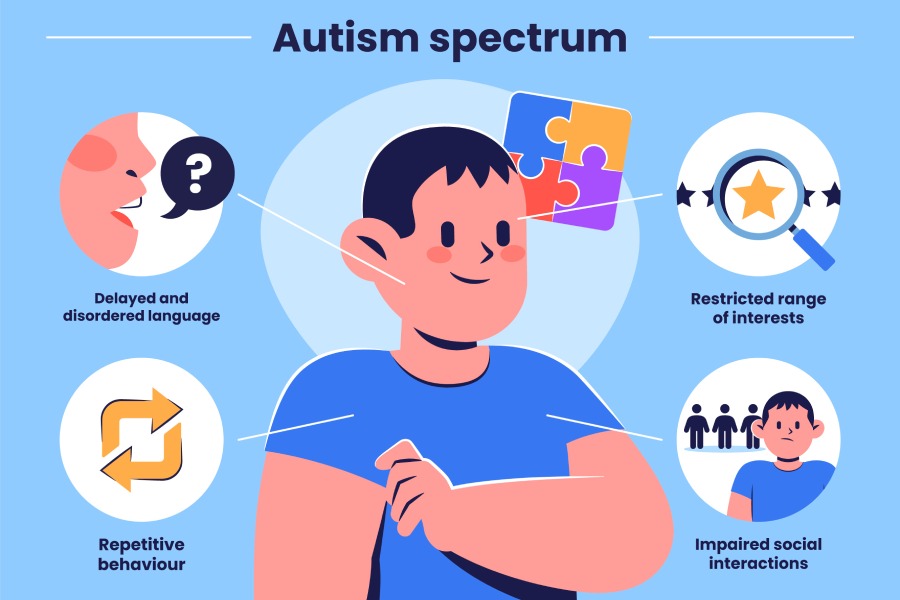
Common Challenges
- Sensory overload from bright lights, loud noises, or crowded spaces. Social anxiety when navigating unfamiliar crowds. Difficulty with transitions between home, bus, and school. Communication gaps that can lead to misunderstandings with drivers or staff.
These obstacles can turn a simple commute into a daily drama. Recognizing them is the first step toward crafting effective accommodations.
Key Transportation Accommodations
Individualized Transportation Plans (ITP)
An ITP is the blueprint that aligns a child’s specific needs with the transportation system. It typically includes:
- Preferred seating (e.g., near the door, away from loud areas). Sensory tools like noise‑cancelling headphones or fidget devices. Clear visual schedules to outline the journey steps. Emergency contact protocols for unexpected situations.
The ITP is a living document, updated as the child grows and their needs evolve.
Specialized Bus Staff Training
Bus drivers and aides who receive training in autism awareness can make a world of difference. Training topics often cover:
- Recognizing early signs of distress and de‑escalation techniques. Effective communication using clear, concise language. Creating a calm environment by managing noise levels and light. Emergency response tailored to sensory sensitivities.
When staff feel equipped, they can Difficulty with name recognition transform a potentially stressful ride into a supportive experience.
Sensory‑Friendly Vehicle Modifications
Think of the bus as a sensory sanctuary. Some practical modifications include:
- Soft, dimmable lighting to reduce glare. Quiet zones with sound‑absorbing panels. Low‑noise seating and cushioned backrests. Visual cues such as colored seat markers or simple icons to indicate “quiet zone” or “hand‑washing station.”
These tweaks can turn a chaotic bus into a calm, predictable space.
Consistent Routines and Schedules
A predictable routine is a safety net for any child, but especially for those on the autism spectrum. Consistency can be achieved by:
- Fixed pick‑up times that align with the child’s internal clock. Repetitive pre‑ride rituals, like a quick “bus check” checklist. Visual timetables posted in the child’s home and on the bus.
When the path is clear, the journey becomes less intimidating.

Practical Tips for Parents and Schools
Building a Support Team
A collaborative approach ensures everyone is on the same page. Key players include:
- School transportation coordinator Special education teacher Occupational therapist Parent or guardian
Regular meetings keep the ITP current and address any emerging concerns.
Communication Strategies
Clear communication is the linchpin of successful accommodations. Try these tactics:
- Use plain language and avoid jargon. Visual aids such as picture cards or icons. Two‑way radios or apps that let the child signal needs without words.
“Communication is the bridge that connects intention to action,” says Dr. Lisa Nguyen, a child‑development specialist.
Leveraging Technology
Modern tools can streamline the process:
- Apps that provide real‑time bus location updates. Digital checklists for pre‑ride preparation. Sensor‑based alerts that notify staff of sudden changes in the child’s behavior.
Technology can turn a potential crisis into a smooth glide.
A Real‑Life Snapshot
Meet Maya
Maya is 8, loves dinosaurs, and has autism. Her first school bus ride was a whirlwind of noise, bright lights, and a crowded aisle. The driver, unaware of Maya’s sensitivities, kept the windows open, causing a gust of wind that startled her. Maya’s mother, noticing her daughter’s distress, requested a seat near the back and a small, weighted blanket. The driver, after a quick chat, adjusted the seating and dimmed the lights. Maya’s smile returned, and she rode home quietly, humming her favorite dinosaur song.
Her story illustrates how a few thoughtful adjustments can turn a chaotic experience into a calm, empowering one.
Forward‑Thinking Steps
Keep the Conversation Open
The journey doesn’t end when Maya gets into the bus. Continuous dialogue between parents, teachers, and transportation staff is essential. Ask questions like:
- “Did Maya feel comfortable today?” “What can we tweak for tomorrow?”
These questions keep the accommodations dynamic and responsive.
Advocate for Policy Support
Schools and districts can benefit from clear policies that mandate early transportation accommodations for students with autism. When guidelines are in place, schools are more likely to allocate resources for training, equipment, and individualized plans.
Celebrate Small Wins
Every smooth ride, every calm moment, is a milestone. Celebrate these victories—whether it’s a sticker for Maya or a thank‑you note to the driver. Positive reinforcement reinforces the value of accommodations and motivates everyone involved.
Remember, the goal isn’t just to get a child to school—it’s to create a journey that respects their needs, builds confidence, and sets the stage for a successful school day.
---
By weaving together individualized plans, trained staff, sensory‑friendly vehicles, and consistent routines, we answer the core question: What are the early school transportation accommodations for girls with autism? The answer is a blend of thoughtful planning, open communication, and a dash of empathy. Equip yourself with these tools, and you’ll help your child ride into school with confidence—and maybe even a dinosaur‑themed playlist.