Ever wonder why your little explorer seems to be walking a different path than the other kids? The question on many parents’ minds is, what developmental milestones are missing in toddlers with autism? This article breaks down the key gaps, offers practical red‑flag signs, and shows how early intervention can turn those missing pieces into stepping stones toward growth.

Understanding Developmental Milestones in Toddlers
Developmental milestones are the roadmap of a child’s growth—like a series of checkpoints that mark progress in speech, movement, and social skills. They’re grouped into four main domains:
Social
- Initiating eye contact Responding to name Sharing interest with others
Communication
- Babbling by 12 months Using single words by 16 months Combining words into simple sentences by 24 months
Motor
- Rolling over by 6 months Sitting without support by 7 months Walking independently by 12–15 months
Cognitive
- Recognizing familiar faces Following simple instructions Beginning problem‑solving with objects
When a toddler with autism reaches these checkpoints, the journey often takes a different pace, and some milestones may appear to be missing.
How Autism Alters the Milestone Timeline
Autism affects the brain’s wiring, which can change the rhythm of development. The most common alterations involve:
Sensory Processing
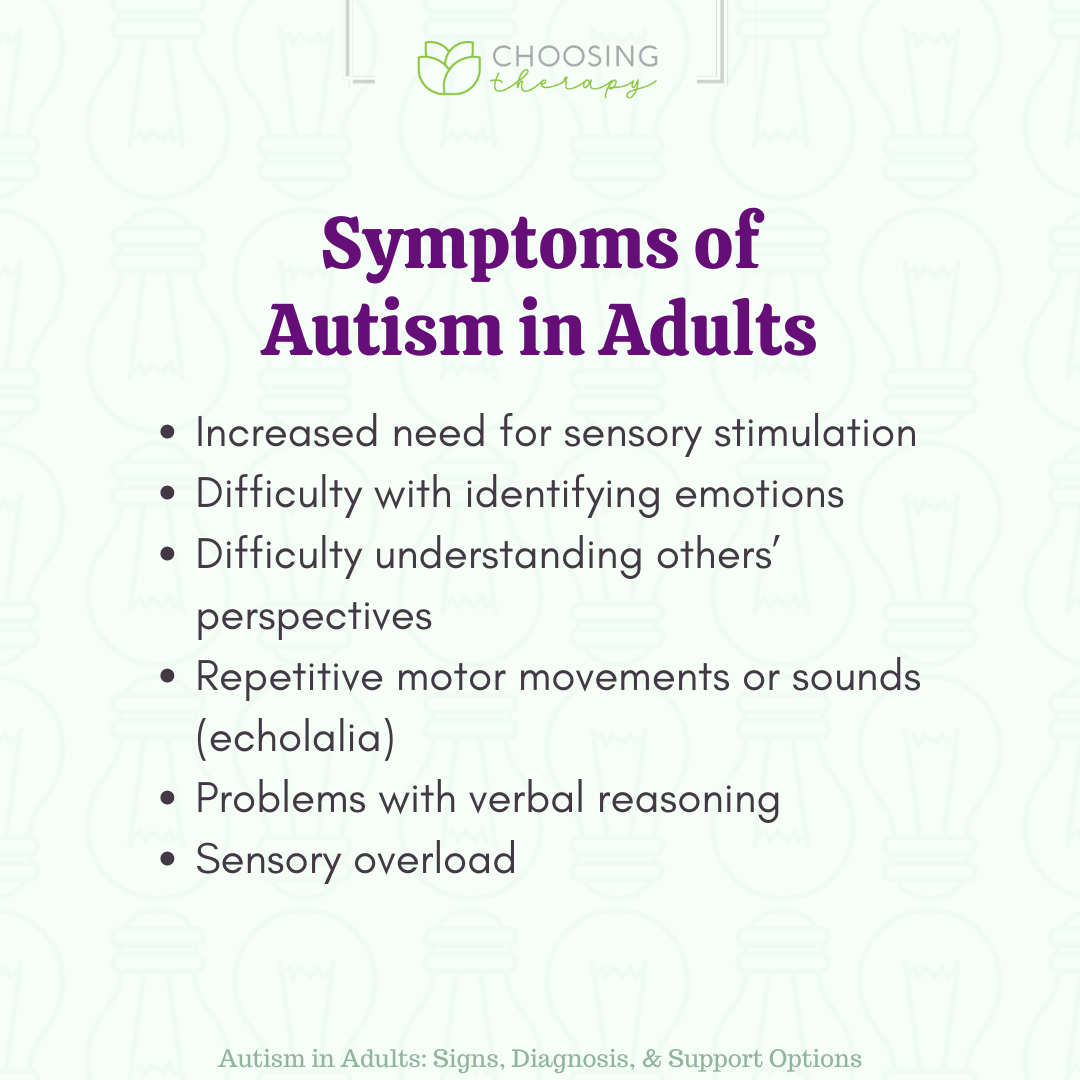
- Over‑sensitivity to sounds, lights, or textures Under‑sensitivity, leading to seeking intense stimulation
Social Interaction
- Difficulty interpreting facial expressions Limited reciprocal conversation
Language Development
- Delayed or atypical speech patterns Preference for repetitive phrases or echolalia
Play Skills
- Repetitive movements instead of imaginative play Limited joint attention with peers
These shifts mean that the usual timeline for milestones can stretch, compress, or skip altogether.
Common Milestone Gaps in Toddlers with Autism
Not all gaps are the same; some are signs of autism in 2 year old more pronounced than others. Below are the most frequently reported missing milestones.
Language and Communication Gaps
- Limited spontaneous speech: Many toddlers with autism rely on gestures or picture exchange instead of spoken words. Delayed receptive language: Understanding simple commands may take longer.
Social Interaction Gaps
- Reduced eye contact: A subtle avoidance that can be mistaken for shyness. Limited turn‑taking: Difficulty engaging in back‑and‑forth play.
Motor and Physical Development Gaps
- Delayed fine‑motor skills: Picking up small objects or using utensils may lag. Unusual gait or posture: Some children develop a stiff, repetitive walking pattern.
Cognitive and Adaptive Skill Gaps
- Limited problem‑solving: Struggling with basic puzzles or sorting tasks. Reduced adaptive behaviors: Challenges with self‑care routines like dressing or feeding.
Spotting the Missing Pieces Early
Early detection is key. Look for these red flags that hint at missing milestones.
Red Flags to Watch
- No babbling by 12 months No pointing or showing objects to others by 18 months Consistent avoidance of eye contact Repetitive hand‑flapping or rocking
Tools and Checklists
- Ages & Stages Questionnaire (ASQ): A parent‑friendly tool to track progress. Developmental Screening Tools: Pediatrician‑recommended tests like the M-CHAT. Observational Journals: Note daily interactions, language use, and play patterns.
By combining these tools with keen observation, parents can identify gaps before they widen.
Turning Gaps into Growth: Early Intervention Strategies
Once you know what developmental milestones are missing in toddlers with autism, the next step is action. Early intervention isn’t just a buzzword—it’s a proven pathway to improvement.
Speech and Language Therapy
- Focus on structured play to build vocabulary. Use visual supports (picture cards, gestures).
Occupational Therapy
- Target fine‑motor skills with activities like bead threading. Address sensory issues through sensory integration techniques.
Social Skills Groups
- Small, structured groups help practice turn‑taking. Role‑playing scenarios build empathy and perspective‑taking.
Parent Coaching
- Modeling: Parents can demonstrate language and social cues. Reinforcement: Positive feedback for attempts at communication.
“Early intervention is like planting a seed in fertile soil; the sooner you nurture it, the faster it grows,” says Dr. Temple Grandin, a respected voice in autism research.
The Power of a Supportive Environment
Even the best therapies need a nurturing backdrop. Think of the home as a playground where every child can thrive.
Creating a Structured Routine
- Consistent meal and bedtime schedules reduce anxiety. Visual timetables help children anticipate transitions.
Engaging Playful Activities
- Sensory bins (rice, beans, or sand) promote tactile exploration. Music and movement encourage rhythmic coordination.
Anecdote: When Maya, a 2‑year‑old with autism, was given a simple puzzle set, she spent hours matching shapes. Her parents noticed her eye contact improve, and her parents felt the puzzle pieces of her development click into place.
Charting a Bright Path Forward
Recognizing what developmental milestones are missing in toddlers with autism is the first step toward transformation. By staying observant, using proven screening tools, and engaging in early intervention, parents can help their children turn missing milestones into stepping stones.
Remember, every child’s journey is unique—what matters most is the steady, supportive pace you set. If you suspect a gap, reach out to your pediatrician or a developmental specialist. Your proactive approach can be the catalyst that turns a missing milestone into a milestone achieved.